

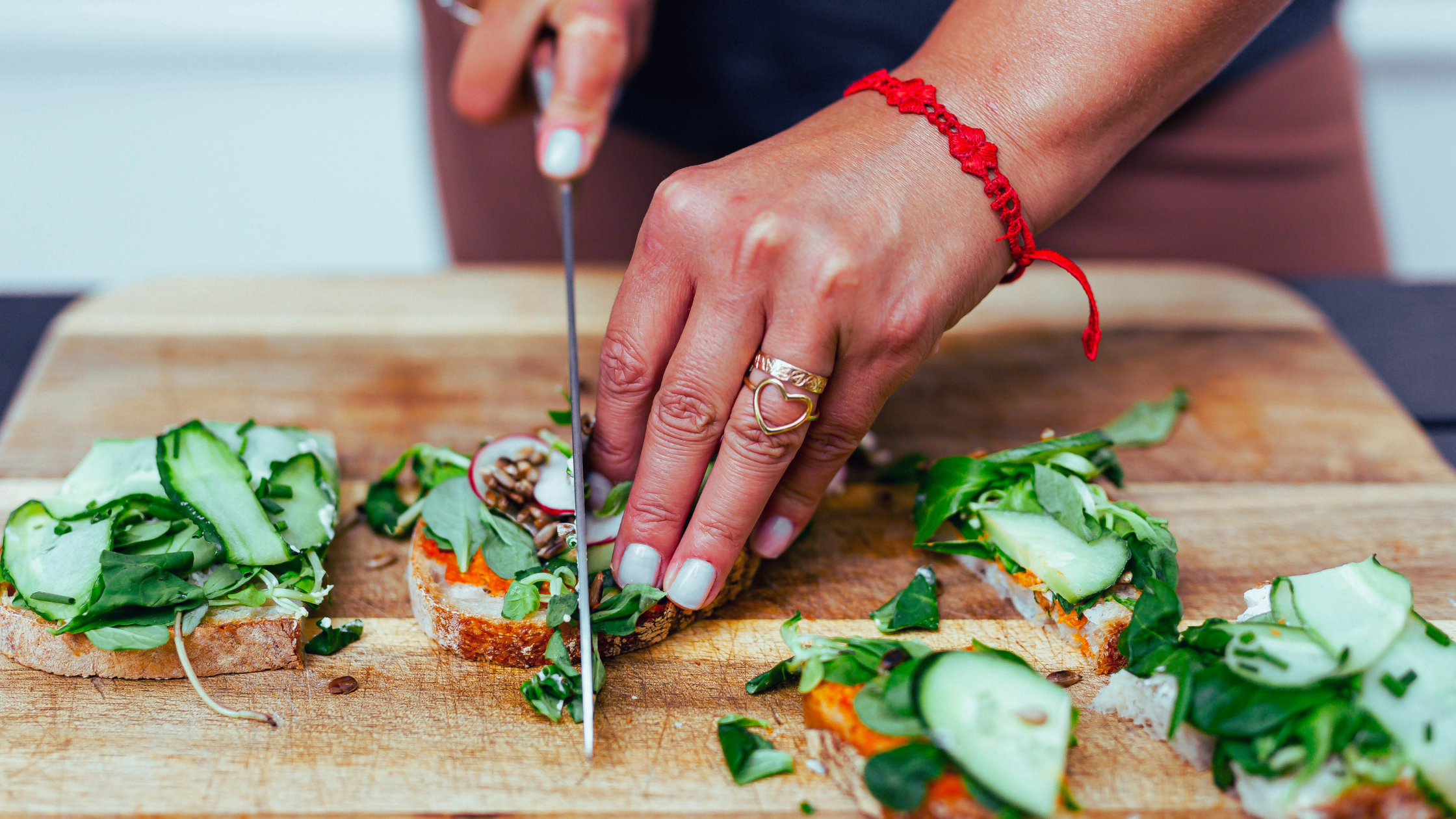
Food is information, but it’s also pleasure, tradition, and care.
The Power at the End of Your Fork
Food is one of the most powerful variables we can control. What we put on the end of our forks profoundly affects our energy, mood, hormone balance, and long-term health. While nutrition recommendations may change depending on our life stage—whether we are growing, pregnant, competing in triathlons, or navigating midlife—the foundational truth remains:
Prioritize Vegetables and Protein.
Vegetables provide essential phytonutrients, which promote health and stabilize blood sugar. They also deliver the fiber crucial for optimal digestion, gut bacteria balance, and hormone detoxification.
Let's explore how our bodies' fueling needs shift across the lifespan, acknowledging that food is also culture, comfort, and sometimes a simple, non-negotiable pleasure.
Food Across the Stages of a Woman's Life
Life Stage: The Core Nutritional Need
Childhood & Pre-Puberty
Building Blocks: Nutrient density to support rapid growth and brain development & establishing a healthy relationship with food.
Adolescence / Puberty
Stabilization: Consistent protein and fiber to manage hormones, mood swings, and energy demands.
Reproductive Years
Fueling Expansion: Harnessing nutrition, balancing energy for peak activity, and preparing for potential pregnancy.
Pregnancy
Intense Augmentation: Prioritizing nutrient-dense whole foods and specific supplements to support fetal growth and maternal health.
Postpartum & New Motherhood
Recovery & Repair: High-quality protein and fats to support recovery from birth, lactation if choosing so, resumption of cycle, resilience, brain function, and immune health.
Perimenopause & Menopause
Metabolic Adaptation: Reduction of simple carbohydrates to leverage stress-induced insulin resistance and the increase in insulin resistance that accompanies declining estrogen, mitigating midsection weight gain.
Post-Menopause
Preservation & Pleasure: Adequate protein for muscle/bone preservation, healthy fats for brain health, and grace for small joys.
Guidance on Food: Stage-by-Stage Insights
Childhood & Pre-Puberty
Food habits are set here. Focus on the basics: lots of vegetables, healthy fats, and protein. Establishing a positive, non-shaming relationship with food is key. Avoid liquid sugar (soda, sweetened drinks), as it increases the risk of chronic health issues later.
Sugar, Energy, and Hormones: When you eat processed sugar, your body releases insulin (that's the key that unlocks cells for energy). Too much insulin can cause a problem: It lowers SHBG (Sex Hormone Binding Globulin). Think of SHBG as the hormone taxi—it drives extra hormones like estrogen and testosterone where they need to go. When you have fewer taxis (low SHBG), those hormones float around free in your body. This can lead to symptoms like acne, irregular periods, or early puberty. The key is to keep insulin in a normal range!
The Power of Fiber: The fiber in vegetables literally binds toxins and excess hormones in the gut, promoting elimination and preventing reabsorption of hormones. This mechanism is key for blood sugar stability and hormone balance.
Brain Fuel: Essential Omega-3 fatty acids (EPA/DHA), found in oily fish, walnuts, and chia seeds, are critical for a developing brain.
New Food Adventures: If there is a food your child isn’t sure about, try taking one small bite. It helps taste buds learn new flavors. Your child’s body is growing. Their tastes may grow and change, too!
Adolescence / Puberty
During this turbulent time of life, food intake is one area you can manage (hopefully not too much). Be sure to include protein at every meal, like yogurt, nuts, seeds, or lean meat. Carbohydrates like pasta, bread, and baked goods are inexpensive and filling. It’s important to pair them with protein to avoid blood sugar spikes and crashes, supporting energy, mood, and a healthy weight.
Blood Sugar & Mood: The physical experience of low blood sugar—like shakiness, cold sweats, panic, or anger- can be mistaken for, or exacerbate, mood swings at a time when hormones are naturally fluctuating and unpredictable.
Core Truth: Skipping meals may contribute to low energy, hormone imbalance, and moodiness.
Strategy: Eat three meals a day, at least, and potentially a few high-protein snacks. If you crave a sugary coffee drink, pair it with protein, like a handful of nuts.
Reproductive Years
This is often the first time women have full control over their pantry and kitchen, breaking away from childhood habits. Recommendations vary widely based on individual circumstances (desk job, training, pregnancy). The universal nutrition recommendation still emphasizes vegetables, healthy unsaturated fats (such as avocados and nuts), whole grains, and lean protein.
Re-evaluating Alcohol: Modifying alcohol consumption is one of the easiest ways to reduce carbohydrate intake, thereby helping reduce midsection weight gain, support better sleep, and stabilize cortisol levels.
Core Truth: You can generally tolerate more carbohydrates now than later in midlife. Moderation is key.
Strategy: Fuel for your activity, whether you are running a marathon, sitting at a desk job, or building a resilient body for conception.
Pregnancy
Nutrition during pregnancy shifts toward supporting a growing human. The focus is on optimal growth and development.
Metabolic Reason to Avoid Carbs: Pregnancy is a naturally insulin-resistant time. Eating highly processed carbohydrates exacerbates this and significantly increases the risk for gestational diabetes and its associated complications.
Crucial Micronutrients: Be vigilant about getting adequate Vitamin D (for maternal mood/energy and skeletal development), folic Acid (to prevent neural tube defects), and iron (to prevent maternal anemia and support fetal oxygenation) during pregnancy.
Hydration & Detox: Adequate water intake ensures the liver can flush toxins efficiently. Water is necessary for forming stool, a common pregnancy challenge due to the associated hormonal shifts and anatomic changes.
Survival Snack: Nuts, nuts, and nuts. They are easy, grab-and-go, high in protein, fiber, iron, and calcium.
Postpartum & New Motherhood
The postpartum body is in a state of deep repair and recovery. Prioritize warmth, protein, and hydration.
Healing with Protein: High-quality animal protein or collagen is rich in amino acids, the essential building blocks necessary for healing skin, ligaments, tendons, and muscles stressed during pregnancy and birth.
Omega-3s for Mood: Omega-3 fatty acids are largely anti-inflammatory, which helps to reduce cortisol (the primary stress hormone). Decreasing inflammation maximizes the production of anti-depressant neurotransmitters like serotonin and anti-anxiety neurotransmitters like GABA, mitigating "baby brain" and mood swings.
Warmth for Energy: Consume warm, cooked foods (vs. raw/cold salads) because they are easier to digest, conserving energy at a time when it is precious.
Hydration Check: You will know you are adequately hydrated and supporting milk production if you choose to breastfeed by watching your baby gain weight and checking the color of your urine. When hydrated, urine is clear like water.
Perimenopause & Menopause
Tolerance of carbohydrates declines during perimenopause and menopause because of the insulin resistance that accompanies declining or low levels of estrogen and high cortisol due to stress. Midsection weight gain is common.
Cortisol, Carbs, and Midsection Weight: High cortisol and carbohydrates lead to elevated insulin, which promotes the storage of excess calories in the midsection.
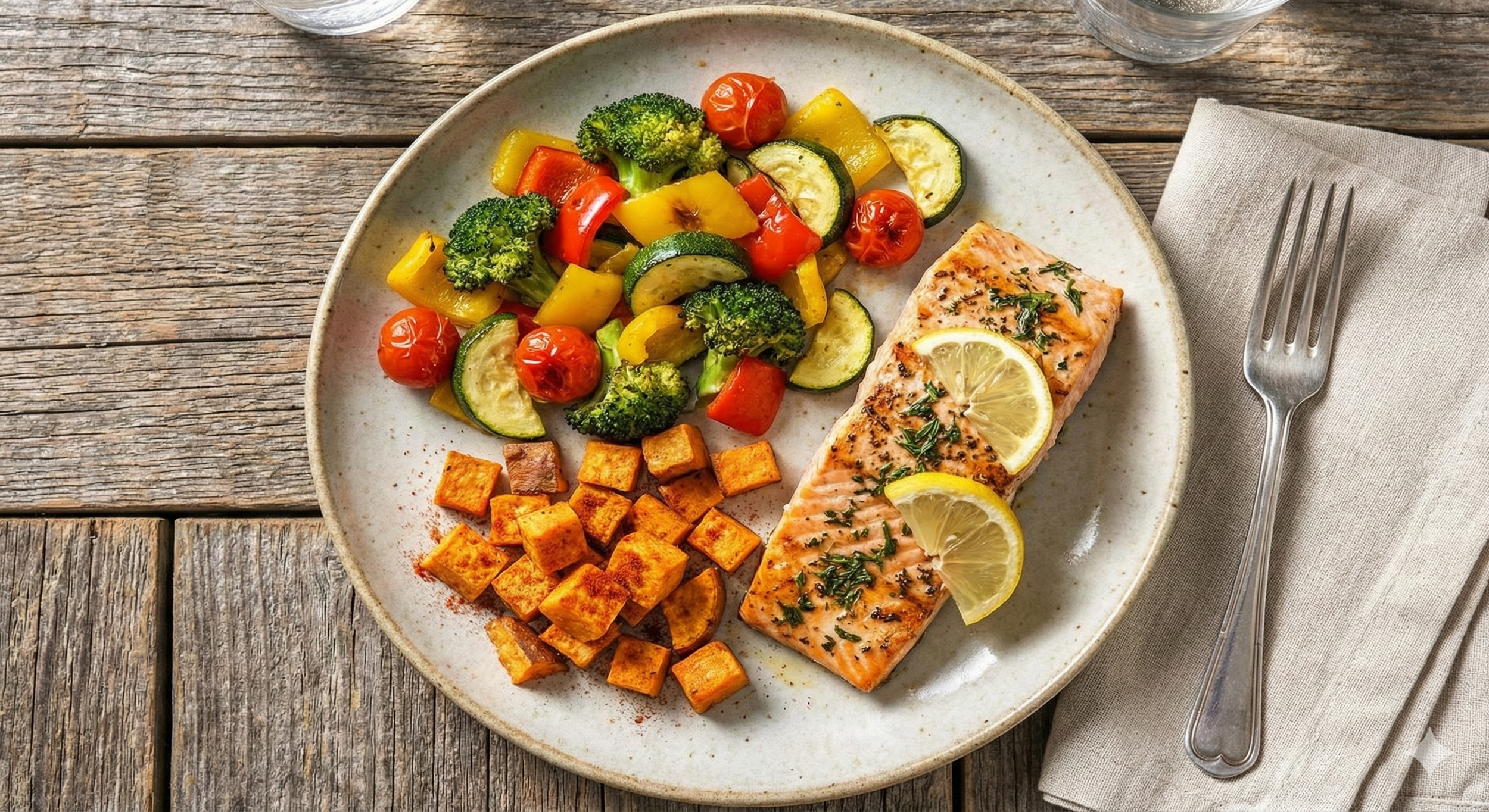
Core Truth: Fill half your plate with vegetables, one-quarter protein, and one-quarter complex carbohydrates like sweet potato or brown rice.
Strategy: Focus on eating mostly protein and vegetables. Save things like bagels, muffins, and alcohol for occasional consumption, like on days spent outside being active.
Post-Menopause
Focus on quality rather than quantity.
Protein for Preservation: Adequate protein intake is crucial for preserving muscle mass.
Shake Template: A quick template for a high-protein meal-replacement shake to maximize muscle maintenance is: Soy milk, a handful of greens, 1/2 frozen banana, cinnamon, a tablespoon of flax/chia/or hemp seeds, a handful of nuts, and frozen blueberries.
Grace and Hot Dogs: The spiritual benefits of eating a hot dog far outweigh the potential negative impact on your grandmother's cholesterol—grace matters.
Core Truth: Water intake is crucial to prevent dehydration, which helps prevent UTIs and cardiac dysfunction.
Practical Guidance & Reflection Invitation
Practice 1: The Plate Rule for Hormone Balance
Use this template as a guide for every meal:
Half the plate: Vegetables.
One-quarter: Protein (from any source).
One-quarter: Complex Carbohydrates (quinoa, sweet potato, brown rice).
Practice 2: Protein Pairings
Avoid eating carbohydrates or sugars alone, especially during times of high stress (midlife) or high growth (puberty/pregnancy). Pair carbohydrates with protein to stabilize blood sugar, manage energy, and mitigate mood swings.
Practice 3: Hydration Check
Monitor your hydration by observing the color of your urine—when hydrated, urine will be clear like water. Consistent hydration is essential for liver detoxification, normal bowel movements, and cognitive function at every stage of life.
Practice 4: The Acceptance of Pleasure
Remember the lesson of the hot dog: Food is information, but it is also pleasure. Avoid restriction or perfectionism and allow for small joys that provide spiritual benefits. Balance the science of nutrition with the grace of living.

If you’d like to continue learning with me, I invite you to subscribe to my weekly newsletter, sent on Fridays. I share practical, evidence-informed guidance on women’s health, hormones, nourishment, and lifestyle practices that support long-term wellbeing.
When you sign up, as a thank-you, you’ll also receive my free guide on how to eat so you never have to diet again.
As with all of my articles, blogs, social media posts, etc, this article is educational and not a substitute for medical care. Please check with your clinician before changing your routine.