


Rest isn’t what’s left over when everything else is done — it’s the foundation that makes everything else possible.
The Therapeutic Power of Pausing
In my clinic, I often find myself writing a single word on a prescription pad: R-E-S-T. Seriously.
Rest cannot be encapsulated or put into a pill, yet it is often the single most therapeutically beneficial intervention for a woman who is not feeling well. For the woman who suffers from an over-achieving culture, a propensity for perfection, and a persistent, suffering ego, putting it all down is profoundly difficult.
But here is the functional truth: Rest is not a reward; it is a physiological requirement. It is when the body shifts into "rest and digest" mode that the deep work of cellular repair, hormonal rebalancing, and nervous system regulation actually occurs. If we skip this phase, we are simply burning the candle at both ends, leading to exhaustion, immune decline, and eventually, illness.
Rest Across the Stages of a Woman's Life
Life Stage: The Core Rest Challenge
Childhood & Pre-Puberty
Establishing Rhythm: Consistent sleep and downtime to support massive brain development.
Adolescence / Puberty
Managing Circadian Shift: Accepting the biological urge for later bedtimes while fighting against technology.
Reproductive Years
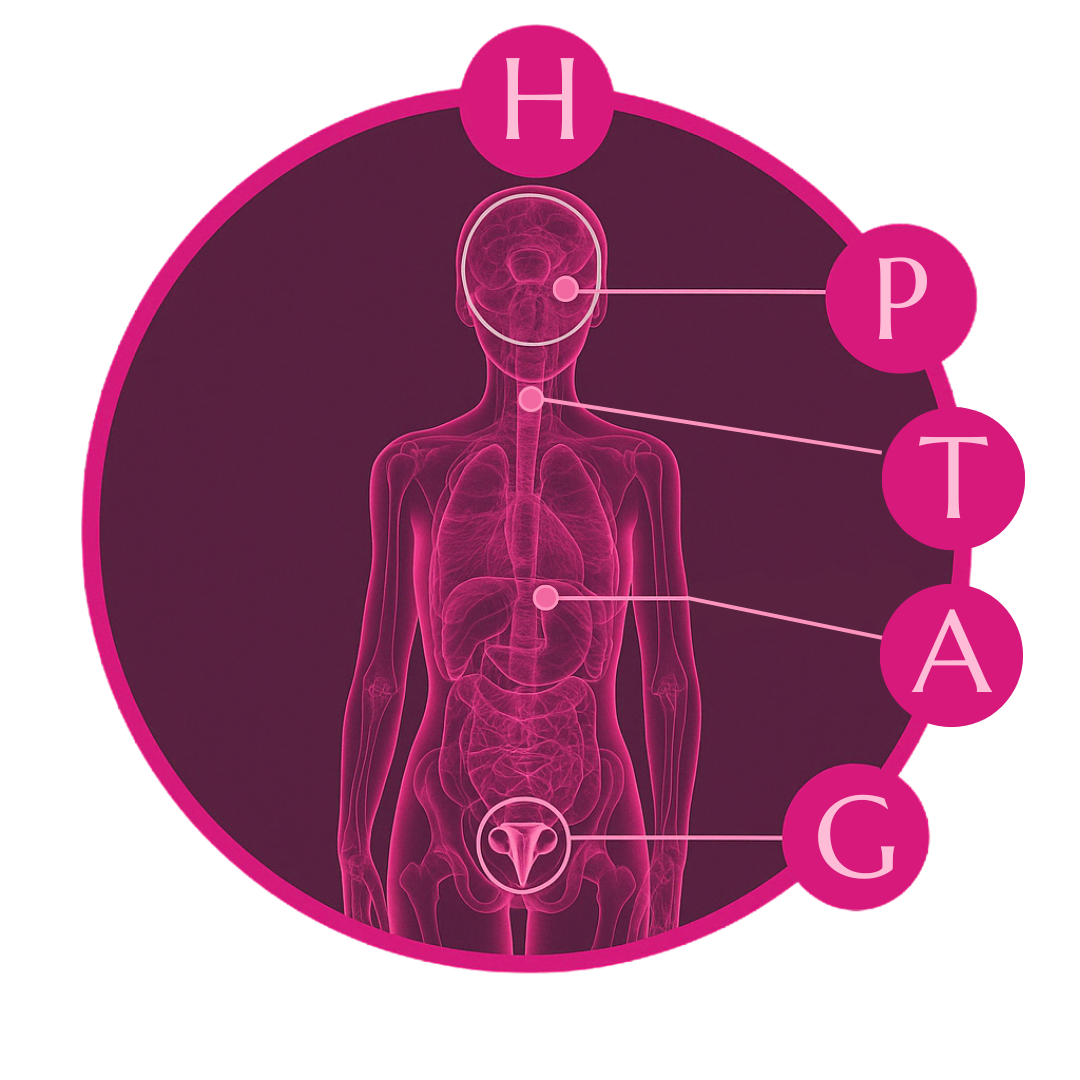
Combating Depletion: Recovering from caregiving and career demands; protecting the HPATG axis.
Pregnancy
Accepting Disruption: Navigating physical discomfort and the sedative-like effects of shifting hormones.
Postpartum & New Motherhood
Survival & Mood Stabilization: Prioritizing rest as a "survival tool" to navigate sharp hormonal drops.
Perimenopause & Menopause
Overcoming Insomnia: Managing hot flashes and anxiety by aggressively cooling the environment.
Post-Menopause
Preserving Cognitive Health: Prioritizing sleep quality to protect the aging brain.
Guidance on Rest: Stage-by-Stage Insights
Childhood & Pre-Puberty
Did you know that while you are sleeping, your brain is actually working hard at its most important job?
When you rest, your brain is busy organizing everything you learned today. It’s making your memory stronger, strengthening brain connections, and releasing the magic hormones that help you grow, learn, and handle big feelings.
The Sign of Tiredness: Sometimes, when you feel really grumpy or "irritable," it’s actually just your body’s way of saying it needs more rest.
Creating Your Cave: To help your body transition from play-time to rest-time, try a routine that stays the same every day. A warm bath, dim lights, and quiet music are like a signal to your brain that it’s time to start that important "night-work."
Adolescence / Puberty
It's true that your body may genuinely crave sleeping until 11 AM on the weekends due to your natural circadian shift. However, the conflict between your biological need for sleep and the social pull of your screen is real.
The Ultimate Ritual: The single most effective thing you can do for your health as you age is to set a "lights out" time between 9 and 10 PM.
Strategy: Hold space for resting in your day and week. Good habits—like a dark room and being off screens for 30 minutes before bed—will keep you healthy for the long haul. Try charging your devices in another room, or out of reach from your bed. This will help you to stay off of your screens right before bed.
Reproductive Years
Whether you are working full-time or training, rest is non-negotiable. When women—especially working mothers—neglect rest for too long, they risk HPATG axis dysfunction (Hypothalamus/Pituitary/Adrenal/Thyroid/Gonadal). This leads to chronic fatigue, thyroid imbalance, and irregular cycles.
Core Truth: There is rarely a time when you benefit from pushing without compensation.
Strategy: If pushing is what life requires, you must compensate afterward. Making rest a priority has a healing effect on your entire physiology.
Pregnancy
In the first trimester, you might feel a "sedative-like" fatigue. This is caused by Progesterone, the hormone of gestation, which works on receptors in your gut to calm the body.
Acceptance as Medicine: This fatigue is a sign of the tremendous physiological feat of making a human. Accept the alteration and rest.
Adrenal Reserve: Protecting your adrenal health now ensures you have the "physiologic reserve" you’ll need to care for a newborn later.
Survival Tip: Use a warm bath with lavender oil or salts, and use plenty of pillows to support your skeleton and those loosening ligaments.
Postpartum & New Motherhood
Postpartum is a time of sharp hormonal drops. Both estrogen and progesterone are low, which directly impacts mood-regulating neurotransmitters like serotonin and dopamine.
The Survival Tool: Rest is essential for mood stabilization. Without it, irritability and fatigue can spiral into adrenal fatigue.
Non-Sleep Rest: Prioritize moments of quiet. It doesn't always have to be sleep; sitting down, putting your feet up, or just being still for 10 minutes counts.
Hydration & Energy: Use your baby's weight gain and your own hydration (aim for clear urine!) as feedback for how well you are recovering.
Perimenopause & Menopause
Hormonal shifts often turn the bedroom into a battleground. Rest is the single most therapeutically beneficial intervention to support your adrenals, which are already working overtime.
The Temperature Fix: The most effective way to address anxiety or hot flashes that cause early-morning waking? Keep your bedroom at 60 degrees.
The Self-Compassion Reframe: When you can’t cut yourself a break, ask: “What would I tell a child who was this exhausted?”
Post-Menopause
Resting restores cognitive and physical function, which is critical for your long-term healthspan. While you may have more time for rest, physical issues like sleep apnea or nighttime urination can get in the way.
Protect Your Brain: Good sleep quality is directly linked to cognitive health. Maintaining a strict sleep routine is the best way to protect your brain as you age.
Strategy: Again, keep that room at 60 degrees. Let your bed be a dark, cool sanctuary reserved only for sleep and connection.

Practical Guidance & Reflection Invitation
Practice 1: The "What would I tell a child?" Reframe
If you are struggling with the "ego of perfectionism" and feel you don't have permission to stop, pause. Visualize a child who is as tired as you are. What would you tell them? Give yourself the same grace you would offer them.
Practice 2: The 60-Degree Sanctuary
Your sleep environment is your medicine. Experiment with lowering your thermostat to 60 degrees. A cool environment helps regulate the body’s internal temperature, mitigating hot flashes and supporting deeper sleep cycles.
Practice 3: Automating the Pause
For mothers and those in high-demand reproductive years, rest must be scheduled. Work with your partner or community to "automate" a 10-minute quiet break at the same time every day. This consistency allows your nervous system to anticipate the relief, moving you from "fight or flight" back into "rest and digest."
Practice 4: Compensatory Rest
Review your last week. If you "pushed" (physically, emotionally, or professionally), did you compensate? If not, identify one hour this weekend to do absolutely nothing. No mail, no chores, no screens—just quiet.

For more than two decades, my work has focused on connecting physiology, lifestyle, and lived experience to support whole-person health. If you’d like to continue exploring these ideas, consider subscribing to my free weekly newsletter.
Each Friday, I share practical insights on women’s health, hormones, nourishment, and evidence-based lifestyle care—along with recipes, podcasts, and articles.
When you subscribe, you’ll receive my free guide on how to eat in a way that supports your health without dieting.
As with all of my articles, blogs, social media posts, etc, this article is educational and not a substitute for medical care. Please check with your clinician before changing your routine.