

I had a long conversation in the clinic recently with a patient about medicine.
She talked about her thirty-something-year-old daughters and the hopelessness they feel about the world. I have continued to think about that conversation.
There is plenty to feel discouraged by. We are exposed, often constantly, to stories of violence, environmental destruction, political division, illness, and uncertainty. The problems are real. Looking away from them does not make them disappear.
And yet, I think the leverage against hopelessness is awe.
Awe can be found in a myriad of places: the natural world, art, music, people. I find awe to be the most powerful salve there is.
This is lifestyle medicine.
What Is Awe?
In Awe: The New Science of Everyday Wonder and How It Can Transform Your Life, author and researcher Dacher Keltner defines awe as “the feeling of being in the presence of something vast that transcends your current understanding of the world.”
We often associate awe with extraordinary experiences: standing at the edge of the Grand Canyon, looking up at a sky full of stars, hearing an orchestra perform, or seeing a baby being born.
But awe is not limited to the monumental.
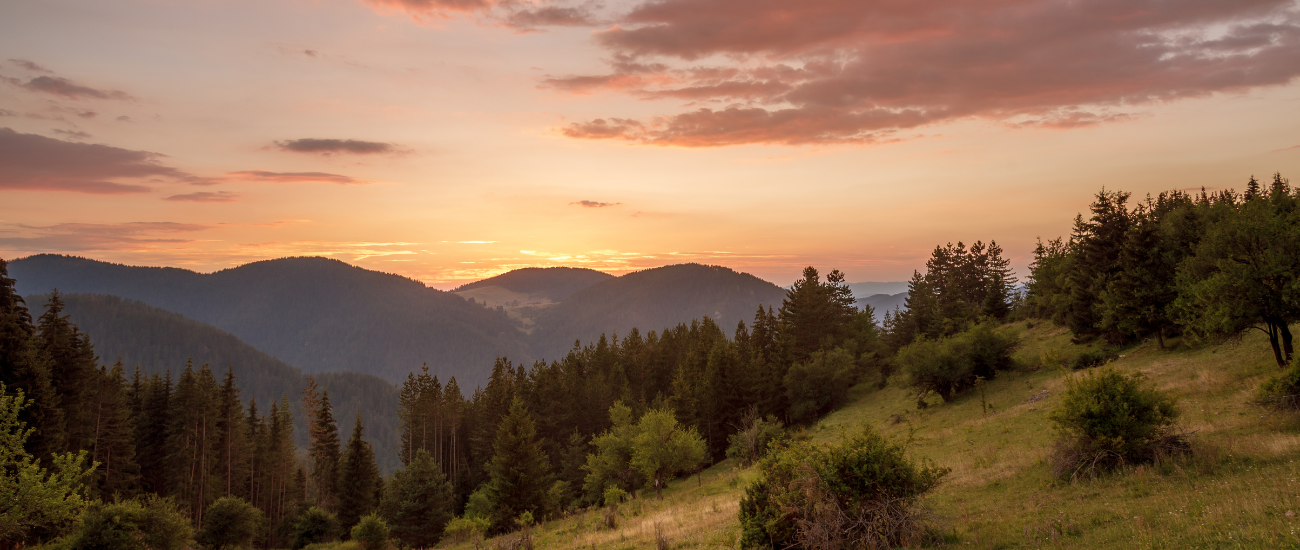
It can be found in the veins of a leaf. The geometry of a snowflake. The sound of someone singing. The tops of trees moving in the wind. A person behaving with extraordinary courage or kindness. The changing light at the end of the day.
We notice the majesty of the natural world when we are able to pay attention to it, either through stillness or slowness. Attention paid through slowness leads to awe, which leads to humility, perspective, healing, and an open heart.
Awe Does Not Ask Us to Look Away
Seeking awe does not mean denying what is painful.
Awe is not false positivity. It does not require us to pretend the world is fine when it is not. It does not replace action, therapy, medication, community support, or the very real work of addressing the problems in front of us.
Awe allows beauty and difficulty to exist at the same time.
It reminds us that the terrible thing is not the only thing.
No experience in my life slowed me down, if not stopped me in my tracks, as profoundly as the tragic death of my fifteen-year-old daughter in 2018.
There was nothing willful about the physical paralysis I felt, sitting on the couch for hours, watching the tops of trees move in the wind, wondering if she was there.
Each morning I would wake, if I had slept, angry that the sun rose. Each seasonal transition was brutal. It felt unbearable that the world kept spinning when I was frozen.
Endless hours of grief and stillness eventually gave way to attentiveness. Attentiveness connected me to the natural world outside my sunroom door. The beauty of the natural world inspired awe in me.
Beauty felt excruciating after my daughter’s passing, and yet I sought it and still do.
To this day, the awe I feel in response to the beauty of the natural world—snowfall, big snow-capped mountains, or the sea—tethers me to life. I do not seek beauty because it erases grief. I seek it because it helps me live alongside grief.
What Awe Can Offer Us
Research into awe is providing language to what many of us have experienced intuitively. Awe can shift our attention away from the isolated self and toward something larger. It has been associated with greater humility, generosity, social connection, and meaning.
In one study, older adults were asked to take weekly “awe walks”—walks during which they deliberately looked for wonder in the world around them. Over time, they reported more positive emotions and less daily distress than people who took ordinary walks without that invitation.
Other research has found that on days when people experience more awe than usual, they also report less stress and greater well-being. These findings do not mean that awe cures illness or makes difficult circumstances disappear. They suggest that what we pay attention to may influence how we experience those circumstances.
Maybe awe changes our sense of proportion.
For a moment, our problems are no longer the entire horizon. We remember that we belong to a world that is mysterious, beautiful, brutal, regenerative, and much larger than we can fully understand.
Awe Requires Attention
The world offers opportunities for awe all the time. The challenge is that we are often moving too quickly to notice them.
We are rushing. We are scrolling. We are planning what comes next. We are listening to something while doing something else. Our attention is continually being pulled away from the experience directly in front of us.
Awe asks us to stop—or at least to slow down.
Moving slowly speaks to our nervous systems of safety, to our adrenals of rest and recovery, and to our minds of simplicity. Some of the most powerful healing I have observed has been the result of women creating space to move through life more slowly, allowing time and attention to be paid to rest, food, movement, and the natural world.
There is never time for slowness until we decide to make time for it.
Maybe going slowly in a society that values speed is a small, quiet act of revolution.
Where Can You Find It?
You do not need to travel somewhere magnificent to experience awe.
Go outside and look up. Notice the sky, even if it is gray. Watch the movement of the clouds or the changing light on the trees.
Listen to a piece of music without doing anything else at the same time.
Visit a museum. Read a poem. Watch someone practice a craft they have spent years learning.
Look closely at a flower, a shell, an insect, or the night sky.
Pay attention to people. Awe can arise through witnessing generosity, courage, talent, perseverance, or tenderness.
Let yourself remain with the experience long enough to feel something. Resist the impulse to photograph it immediately, explain it, purchase it, or move on to the next thing.
Perhaps you begin by looking for one moment of awe each day. Name it. Write it down. Tell someone about it.
Awe may not change what is happening in the world. It may change our capacity to remain open to the world—to care for it, participate in it, and imagine that something else is possible.
I am going to continue to go outside, look for beauty, and pay attention to the details of the natural world. I am going to continue paying attention to the shifting light, the changing colors of the leaves, the flowers that are blooming, the lifecycle of the monarch, and the smell in the air.
I am going to keep looking for awe because it helps tether me to life.
Can you find it?
This article is intended for education and reflection. Persistent hopelessness can be a sign that additional support is needed; awe can complement, but should not replace, appropriate mental health care.

If you’d like to continue learning with me, I invite you to subscribe to my weekly newsletter, sent on Fridays. I share practical, evidence-informed guidance on women’s health, hormones, nourishment, and lifestyle practices that support long-term wellbeing.
When you sign up, as a thank-you, you’ll also receive my free guide on how to eat so you never have to diet again.
As with all of my articles, blogs, social media posts, etc, this article is educational and not a substitute for medical care. Please check with your clinician before changing your routine.