

Why eating locally, eating the rainbow, and listening to your body can all begin with one ripe tomato
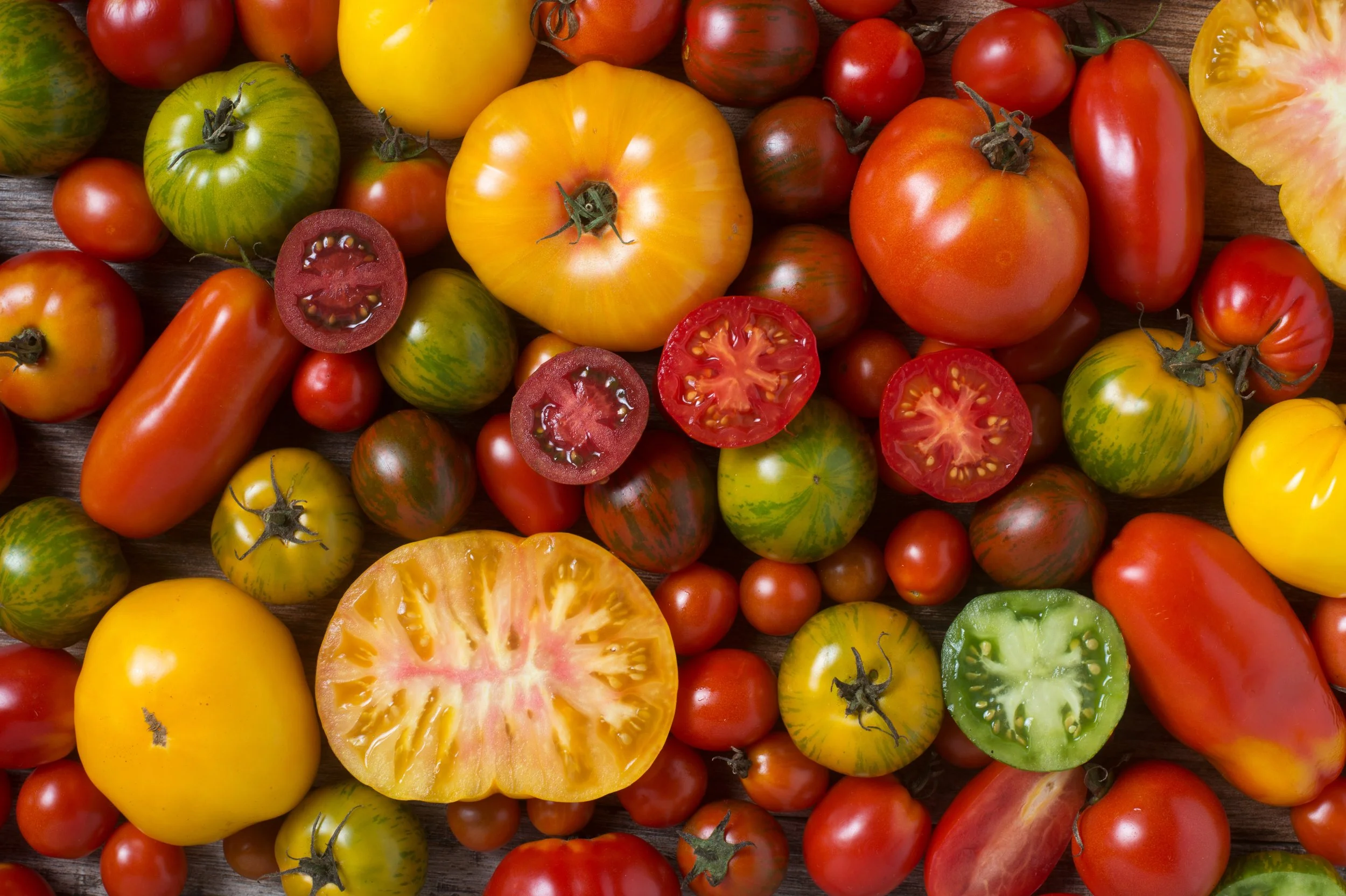
There is a world of difference between a tomato in February and a tomato in August.
The February tomato may technically be the same food. But the August tomato—the one that is fragrant before you even slice it, still warm from the sun, and so juicy you need to eat it over the sink—is a nutrient-dense fruit and provides an entirely different eating experience.
Locally grown tomatoes are generally at their best from mid-July through late September in Maine. This is the time to enjoy them.
Food is information. What we eat gives the body instructions and raw materials that influence energy, digestion, blood sugar, hormones, immune function, and long-term health. But food is also pleasure, tradition, memory, and care. A ripe tomato can be all of those things at once.
That is what food as medicine can look like: not a rigid prescription or a search for one miraculous ingredient, but a steady relationship with nourishing food, the seasons, and your own body.
What Tomatoes Bring to the Table
Tomatoes are simple, accessible, and remarkably easy to prepare. They provide vitamin C, potassium, folate, fiber, and a family of plant compounds called carotenoids.
The best-known of these is lycopene, the pigment responsible for the rich red color of many tomatoes. Lycopene acts as an antioxidant, helping the body manage oxidative stress. Diets rich in tomatoes and other colorful plant foods have been associated with cardiovascular and other long-term health benefits, but I do not think we need to turn the tomato into another wellness promise. No single food creates health on its own.
The value is in the pattern: more vegetables, more variety, more fiber, and more food that looks like - and tastes like - food.
Tomatoes also offer a lovely example of why both raw and cooked foods belong in a nourishing diet. Fresh tomatoes contain more vitamin C, which can be reduced by heat. Cooking, however, breaks down the tomato’s cellular structure and makes lycopene easier for the body to absorb. Adding olive oil helps even more because lycopene is fat-soluble: The olive oil makes the lycopene easier for our bodies to use.
So eat the tomato straight from the garden. Drizzle it with olive oil. Roast it. Turn it into sauce. There is no one “perfect” preparation.
Eating the Rainbow Is About Variety
“Eat the rainbow” is not just a catchy phrase. The colors in fruits and vegetables come from different plant pigments and phytonutrients. A colorful plate is a practical way to invite more variety into the diet—and variety helps us consume a broader range of nutrients.
Tomatoes alone can bring several colors to the table. They may be red, orange, yellow, green, or deep purple, depending on the variety. Red tomatoes are especially known for lycopene, while other colors contain different combinations of carotenoids and polyphenols.
A yellow tomato is not less healthy than a red one, and a green vegetable is not automatically better than a white one. Think of the rainbow as an invitation to expand, not another rule to follow.
If your basket already contains red tomatoes, what else could join them? Green basil. Yellow corn. Purple onions. Orange peppers. Blue potatoes. A colorful plate appeals to the eye, the appetite, and the body. Look to increase variety over the course of the day and the week.
Why Local and Seasonal Food Matters
Eating locally connects us to where we live. It teaches us what grows here and when. It grounds us in the seasons which encourages variety. It introduces us to farmers, farm stands, and markets that help nourish our communities.
Local does not automatically mean more nutritious, and frozen or canned produce is still valuable. Eating well should never require perfection or access to a particular kind of store. But produce harvested close to home can often be picked nearer to peak ripeness, spend less time in transit, and offer exceptional flavor. When vegetables taste good, we are more likely to eat them.
Seasonal eating also creates natural variety: tomatoes, peaches, and corn in summer; hearty greens, squash, and roots in the fall; tender greens in spring. Instead of buying the same vegetables every week of the year, we allow the season to inform what is on our plates.
Buying food grown in our communities, if available, is restorative. Our health begins in the soil. Supporting a nearby farm or buying a tomato from a neighbor’s stand is not only a nutritional choice. It is also a relational one.
If you are not sure what food is in season, visit a local farmers market and let what appeals to you be your guide. Ask the farmer how they like to prepare it. Stay curious and try new things.
What If Tomatoes Do Not Agree With You?
A food can be nutritious and still not be right for every body in every form. This is where the medicine of why becomes useful.
Instead of deciding that tomatoes are universally “bad,” ask some questions to garner clarity::
Does discomfort happen with raw tomatoes, cooked tomatoes, or both?
Does the quantity consumed effect how you feel??
Does it happen with a plain tomato, or mainly with pizza, salsa, or pasta sauce?
Are garlic, onions, hot peppers, alcohol, a large meal, or eating close to bedtime part of the same picture?
Is the symptom digestive, or are you noticing itching, swelling, hives, or difficulty breathing?
Tomatoes and concentrated tomato products can trigger reflux in some people because they are acidic. If that sounds familiar, try a smaller serving, avoid eating them close to bedtime, and notice whether combining several of your personal triggers in one meal makes symptoms worse. A simple food-and-symptom journal can reveal more than a long list of generalized restrictions.
If raw tomato causes immediate itching or tingling in your mouth or throat—especially if you also have seasonal allergies—it may be pollen food allergy syndrome, sometimes called oral allergy syndrome. Some people tolerate the food cooked or peeled because heat can break down the proteins concentrated in the skin of the food If you experience itching or tingling in your mouth, do consult with a healthcare professional.
Hives, vomiting, facial or throat swelling, wheezing, trouble breathing, or symptoms that are becoming more severe require medical attention. Do not test different preparations on your own if you may be having an allergic reaction.
Your body is not broken if you do not tolerate a celebrated seasonal food. Symptoms are messages, not mistakes. The goal is not to force the tomato. The goal is to understand the message and find the foods that nourish you well.
Three Simple Ways to Enjoy Tomato Season
1. Tomato, Peach, and White Bean Salad
This is late summer in a bowl: juicy, colorful, and substantial enough for lunch with a piece of hearty sourdough bread.
Ingredients
2 large ripe tomatoes, cut into wedges
2 ripe peaches, sliced
1 can white beans, rinsed and drained
1 small handful fresh basil, torn
2 tablespoons extra-virgin olive oil
1 tablespoon red wine vinegar, optional
Sea salt and black pepper to taste
Optional: crumbled feta or goat cheese
Directions
Gently combine the tomatoes, peaches, beans, and basil. Drizzle with olive oil and vinegar, if using. Season with salt and pepper and finish with cheese, if desired. Let the salad sit for five minutes so the juices mingle.
2. Jammy Tomatoes with Eggs and Greens
This works for breakfast, lunch, or a simple t dinner. The eggs add protein, while the tomatoes and greens bring color and fiber.
Ingredients
2 cups cherry tomatoes
1 tablespoon extra-virgin olive oil
2 large handfuls spinach or chopped kale
4 eggs
1 small garlic clove, minced, optional
Sea salt, black pepper, and red pepper flakes to taste
Fresh herbs for serving
Directions
Warm the olive oil in a skillet over medium heat. Add the tomatoes and a pinch of salt. Cook for 8 to 10 minutes, stirring occasionally, until they soften and begin to burst. Add the greens and garlic, if using, and cook until wilted. Make four small wells, crack in the eggs, cover, and cook until the whites are set and the yolks are done to your liking. Finish with herbs.
3. Slow-Roasted Tomatoes for Later
When the tomatoes are abundant, this is an easy way to deepen their flavor and preserve a little summer for the weeks ahead.
Ingredients
2 pounds plum or small tomatoes, halved
2 tablespoons extra-virgin olive oil
1 teaspoon dried oregano or a few sprigs of thyme
Sea salt and black pepper to taste
Directions
Heat the oven to 300°F. Arrange the tomatoes cut-side up on a rimmed baking sheet. Drizzle with olive oil and season with herbs, salt, and pepper. Roast for 1½ to 2 hours, until concentrated and jammy but not dry.
Use them in eggs, grain bowls, beans, soups, or pasta. Refrigerate and use within a few days, or freeze portions for later. If you want to can tomatoes for shelf-stable storage, follow a tested recipe from a trusted extension or food-safety source rather than improvising.
Let the Season Make It Simple
Sometimes food as medicine starts in the garden or at a farmstand with a tomato that looks like, feels like, and smellls like a tomato. Choose the color that catches your eye. Pair it with protein and healthy fat. Eat it raw today and roasted tomorrow. Notice how you feel. Share it with someone you love.
And if tomatoes are not for you, let that information guide you without judgment. There are many ways to eat the rainbow and many foods that can help you feel nourished.
Start with what is in season. Start with what your body welcomes. Start there.
As with all of my articles, blogs, and social media posts, this article is educational and is not a substitute for medical care. Please consult with your healthcare provider before changing your diet or if you experience symptoms that may indicate a food allergy.

For more than two decades, my work has focused on connecting physiology, lifestyle, and lived experience to support whole-person health. If you’d like to continue exploring these ideas, consider subscribing to my free weekly newsletter.
Each Friday, I share practical insights on women’s health, hormones, nourishment, and evidence-based lifestyle care—along with recipes, podcasts, and articles.
When you subscribe, you’ll receive my free guide on how to eat in a way that supports your health without dieting.
As with all of my articles, blogs, social media posts, etc, this article is educational and not a substitute for medical care. Please check with your clinician before changing your routine.