

Nature brings us back to ourselves — at every age and every stage.
Spending time outdoors is good medicine. It is a primary coping mechanism for managing stress, depression, and anxiety, backed by science that shows being outside:
Reduces stress hormones (like cortisol).
Increases mood-supporting hormones (like endorphins and serotonin).
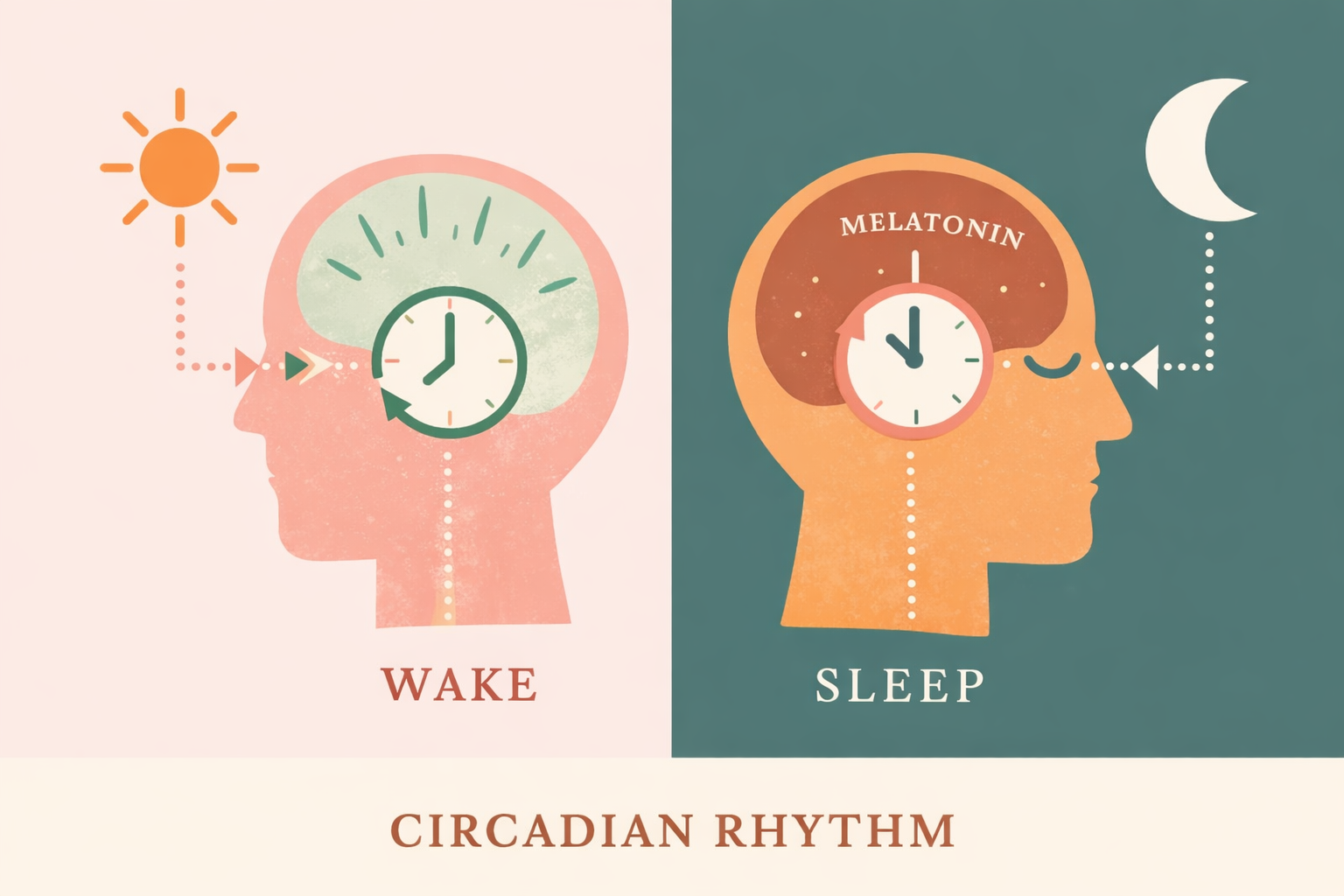
Aids Vitamin D absorption and sets our circadian rhythm.
Builds physical and emotional resilience against changing weather and terrain.
Simply stated, nature is the most readily available salve for all that ails us. When the gym is too much, when the demands feel overwhelming, the Earth offers perspective and a place to literally lay down the load.
Nature Across the Stages of a Woman's Life
Life Stage: The Core Nature Need
Childhood & Pre-Puberty
Sensory Immersion: Unrestricted time to connect with the elements and build a physical relationship with the world.
Adolescence / Puberty
Stress Coping Mechanism: An essential tool for mood management, self-confidence, and regulating the potentially tumultuous transition.
Reproductive Years
Shared & Solo Grounding: A place to move with family, recharge bandwidth, and regain a sense of grounded strength.
Pregnancy
Circadian Sync & Emotional Support: Aligning internal rhythms with external light/dark cycles for better sleep and anxiety relief.
Postpartum & New Motherhood
Gentle Reconnection: A necessary, low-energy path back to the body and self amidst demanding caregiving duties.
Perimenopause & Menopause
Absorbing the Load: A readily available resource for emotional perspective, physical activity, and quiet reflection.
Post-Menopause
Deep Observation & Grounding: A source of continued awareness, connection, and anti-inflammatory benefit.
Guidance on Nature: Stage-by-Stage Insights
Childhood & Pre-Puberty
If you are reading this, I want you to know: The outside world is one of the best medicines for growing girls!
Your body is busy building its best self right now, and that job is easier when you spend time exploring. This means:
Don't worry about being "exercised"—just play! Climb trees, run through the grass, or dig in the dirt. This unrestricted time outdoors builds your physical confidence and helps you learn boundaries.
Superpowers for Your Gut: When you play in the dirt and explore outside, your gut (your tummy) gets little bits of the Earth. This helps build the superpowers (a strong immune system) that will help you stay healthy as you grow.
Brain Power: The cool textures of a rock, the smell of pine needles, and the sounds of the wind all give your brain different "food." This helps you learn how to handle big feelings later on and makes your brain stronger for learning.
Magic Light: Tell your grown-ups you need to step outside and get early morning light year-round. That morning light tells your brain exactly when to wake up and when to be sleepy later.
Adolescence / Puberty
Spending time outdoors is a powerful coping mechanism for managing the stress, depression, and anxiety that often accompany hormonal shifts.
The Calming Mechanism: Nature exposure activates the parasympathetic nervous system (the part of the nervous system that slows and calms us down, aka “rest and digest”), which decreases physiological stress and allows your brain, specifically the prefrontal cortex, to function optimally, thereby stabilizing mood.
Strategy: Your time outdoors doesn't have to be a major undertaking; a walk in the woods or even 15 minutes of quiet time on a porch counts.
Being outside is good medicine, especially when life feels overwhelming.
Reproductive Years
For many of us, nature was the primary coping mechanism during the peak of the reproductive years. It's a place where children can test their limits, and you get to be their ally, not their adversary.
The Adversary Shift: I remember standing on the side of a ski slope for what felt like hours when my four-year-old son was having a full meltdown, screaming that he couldn't get up. Watching him struggle, I coached him on breathing until he calmed down. Once calm, he realized he was capable of getting up independently. Nature forced him to have it out with himself and the mountain, and I got to be his ally as opposed to his adversary.
Core Truth: The natural world both grounds us in strength in our bodies and mirrors strength back to us.
Strategy: Find ways to combine movement and nature with family—skiing, hiking with a backpack carrier, or simply digging in a garden.
Pregnancy
The pregnant body is keenly aware of its surroundings, and nature acts as a profound grounding force.
Circadian & Sleep Support: Daily light exposure, particularly morning light rich with blue wavelengths, signals the brain to suppress melatonin. This strengthens the signal for nighttime melatonin levels, leading to better, more restful sleep later in pregnancy.
Blood Pressure Support: Being in nature activates the parasympathetic nervous system (the “rest and digest” system), reducing cortisol production, promoting vasodilation (widening of blood vessels), and reducing oxidative stress, which together can support healthy blood pressure during pregnancy.
“Your sympathetic and parasympathetic nervous systems have opposite roles. While your sympathetic nervous system carries signals that put your body’s systems on alert, your parasympathetic carries signals that relax those systems.” Cleveland Clinic
Safe Movement: I recommend quiet walks in the woods for pregnant women, affording safe movement and the added health benefits of forest bathing.
Postpartum & New Motherhood
When time and energy are critically low, nature provides an essential, low-energy path back to connection.
Minimum Dose, Maximum Benefit: For a sleep-deprived new mother, 10 minutes outdoors can still offer a significant nervous system benefit.
Automating the Habit: To ensure you get those essential, brief moments, automate the habit. Decide on a fixed time each day to go outside, with your partner or support person agreeing to tend to whatever needs doing during that time.
Core Truth: Getting light in the eyes helps your body re-establish its hormonal balance after the sharp postpartum drop in hormone levels.
Perimenopause & Menopause
When you feel the crunch of competing demands, and it feels like you can't carry one more thing, turn to the Earth.
Anti-Inflammatory Benefit of Grounding: Laying down on the Earth (grounding) may supply the body with free electrons which act as antioxidants. Antioxidants neutralize free radicals and reduce oxidative stress, thereby decreasing inflammation and slowing the aging process. This reduces cortisol, helping maintain overall hormone balance during periods of fluctuating hormone levels.
Core Truth: The outdoors is my gym of choice, offering fresh air, Vitamin D, and quiet—health benefits you don't get elsewhere.
Strategy: When overwhelmed, practice grounding by physically connecting with the Earth to release emotional and physiological stress.
Post-Menopause
Though physical ability and accessibility may pose challenges, this stage offers an unprecedented opportunity for observation and deep study.
Perspective on Grief: In the days just after a profound loss, the world still spinning—the sun rising and falling again and again—reminded me that life goes on, even when it feels like it doesn't, or I don't want it to. This fundamental truth, reflected in nature's constancy, is critical for processing grief and accepting the passage of time.
Core Truth: Grounding (placing your feet or your whole body directly on the Earth) has been shown to reduce inflammation and expedite healing.
Strategy: Consider deep dives into nature through observation, painting, drawing, or writing to enrich your life. Practice grounding daily for anti-inflammatory benefits.
Practical Guidance & Reflection Invitation
Practice 1: The 10-Minute Micro-Dose
When overwhelmed or low on energy, aim for a 10-minute micro-dose of nature. This is a low-energy, high-reward path back to re-regulating the nervous system. Step outside, close your eyes, and simply feel the air and light.
Practice 2: Grounding for Anti-Inflammation
If you are struggling with hormone turbulence or inflammation, intentionally practice grounding. Lay your bare skin (feet, hands, or back) directly onto the earth (sand, rock, or grass). Ask the Earth to absorb some of your physiological load and supply your body with those beneficial free electrons.
Practice 3: The Circadian Anchor
For better sleep and mood, anchor your body's rhythm with morning light. Step outside and expose your eyes to the sun's blue wavelengths, ideally within 30 minutes of waking, regardless of the season or the weather. This simple habit signals to your brain to stabilize your hormones and energy for the rest of the day.

For more than two decades, my work has focused on connecting physiology, lifestyle, and lived experience to support whole-person health. If you’d like to continue exploring these ideas, consider subscribing to my free weekly newsletter.
Each Friday, I share practical insights on women’s health, hormones, nourishment, and evidence-based lifestyle care—along with recipes, podcasts, and articles.
When you subscribe, you’ll receive my free guide on how to eat in a way that supports your health without dieting.
As with all of my articles, blogs, social media posts, etc, this article is educational and not a substitute for medical care. Please check with your clinician before changing your routine.